Effortless Vintage Charm: Mastering the Historian Text Editable Text Effect
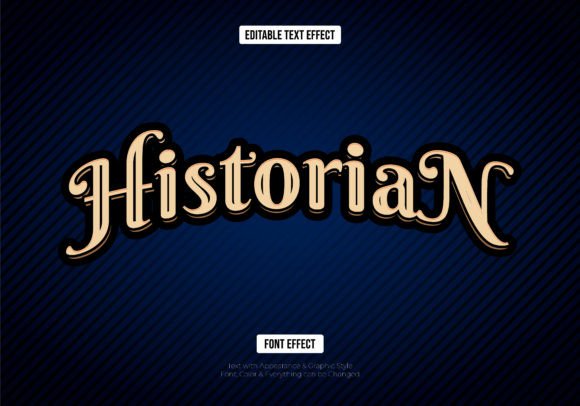
You know that feeling when you find the perfect vintage sign or an old, weathered book cover that just oozes character? That’s the exact vibe the Historian Text Editable Text Effect captures, but with a modern, digital twist that makes it incredibly easy to use. It’s not just another static font; it’s a dynamic tool designed for anyone who wants to infuse their work with a sense of history, authenticity, and handcrafted quality without spending hours in Photoshop. Imagine typing your brand name, a headline, or a special message and instantly seeing it transformed with textured, engraved, or letterpress-style effects. That’s the simplicity and power at your fingertips. Just write your word, and the effect applies—no complex layer styles or advanced design skills required. It’s a game-changer for creating visuals that feel both professional and deeply personal.
More Than a Font: A Visual Storytelling Tool
What sets this asset apart is its core design philosophy. It’s built as a vector format (provided in both EPS and AI files), which means it’s infinitely scalable. You can resize your text from a tiny social media icon to a massive billboard without a single pixel of distortion. But the real magic lies in its editability. You’re not locked into a single color scheme or texture. The layered vector format allows you to easily customize colors, swap out the underlying font to match your brand’s typeface, and adjust the effect’s intensity to suit your project’s mood. This flexibility makes it a true design asset, not just a static element. Whether you’re aiming for a rustic, distressed look for a coffee brand, an elegant engraved style for a luxury wedding invitation, or a bold, textured headline for a poster, this single tool adapts to your creative vision.
For small business owners and entrepreneurs, this translates directly into brand consistency and recognition. Using a unique, textured text effect like Historian across your logo, packaging, and marketing materials creates a cohesive visual identity that stands out in a crowded market. It tells a story of craftsmanship and attention to detail, which can subconsciously communicate quality to your audience. Content creators and bloggers can use it to make their YouTube thumbnails, Instagram stories, and Pinterest graphics instantly more clickable and memorable. The textured, vintage aesthetic has a timeless appeal that cuts through the noise of generic, flat design, helping to boost engagement and shareability.
Practical Applications Across Your Projects
The versatility of the Historian effect is where it truly shines. It’s not limited to one niche; it’s a Swiss Army knife for visual communication. Let’s break down where you can put it to work immediately.
- Logo & Brand Identity: Create a distinctive logo that feels established and trustworthy. The textured effect adds depth and personality that a simple flat logo often lacks, helping with immediate brand recognition.
- Packaging Design: Whether you’re designing labels for artisanal products, candle jars, or gourmet food items, this effect adds a tactile, premium feel that can justify a higher perceived value on the shelf.
- Social Media & Marketing: Stop the scroll. Use it for sale announcements, quote graphics, event promotions, or profile headers. The unique texture makes your content pop in fast-moving feeds.
- Editorial & Blog Layouts: Enhance your articles, magazine features, or blog post headers. It adds a sophisticated, curated touch to editorial design, making your content look more polished and authoritative.
- Print Materials: From business cards and letterheads to posters and flyers, the vector format ensures crisp, professional results every time. It’s perfect for creating high-impact invitations, menus, or certificates.
- Digital Products & Merchandise: Design eye-catching covers for e-books, workbooks, or online course materials. For merchandise like t-shirts, mugs, or tote bags, the effect creates designs that look intentionally vintage and stylish.
Think about a local brewery using Historian for its taproom signage and bottle labels. The effect immediately evokes a sense of tradition and handcrafted care. A wedding planner could use it for save-the-dates and reception décor, setting a classic, romantic tone. A podcast host might use it for episode artwork, giving their show a distinctive, premium look that encourages clicks.
Pairing and Refining Your Typographic Vision
While the Historian effect is a powerhouse on its own, thoughtful typography is about context and harmony. A key piece of practical advice is to always consider your font pairing. The effect works beautifully with a range of typefaces. For a truly classic, authoritative feel, pair it with a strong serif font for your body copy. If you’re aiming for a more modern, high-contrast look, try it with a clean sans serif font. The goal is to let the Historian effect be the star of your headlines or key text, while supporting body text remains highly readable.
Always test your combinations at different sizes. The intricate details that make the effect so appealing at a headline size need to remain clear and legible when scaled down for a subheading or a call-to-action button. This is where the vector format is your best friend—it allows you to zoom in and inspect every detail without quality loss. Before finalizing a design, ask yourself: Does the text effect enhance the message, or does it distract? The best applications feel intentional, where the style supports the story you’re telling.
Finally, always review the licensing of any commercial font or design asset you use. Reputable assets like the Historian Text Editable Text Effect typically come with clear commercial licenses, allowing you to use them in client projects and for sale on merchandise. This peace of mind is crucial for professionals. By integrating a tool like this into your workflow, you’re not just buying a visual effect; you’re investing in a versatile component of your brand identity toolkit. It empowers you to produce polished, engaging, and consistent designs across every touchpoint, saving you time and elevating the quality of your visual communication from the very first click.