Pixelist: A Modern Template for Photographers and Creatives
Imagine this: you've just finished a stunning photoshoot, the kind that truly captures the essence of your client's vision. The editing is flawless, the colors are vibrant, and every shot tells a story. Now comes the part many creatives dread—presenting this work in a way that does it justice. A cluttered, outdated, or generic presentation can undermine even the most beautiful photography. This is where the right visual framework becomes essential, transforming your portfolio from a simple collection of images into a compelling narrative of your professional skill.
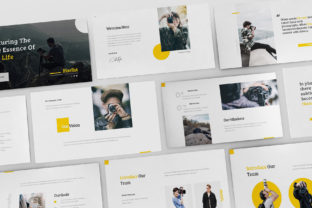
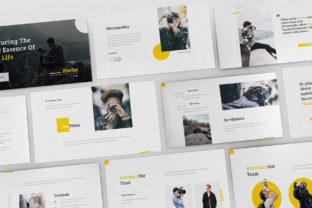
The Pixelist - Photography Google Slides template is designed with this exact challenge in mind. It’s more than just a set of slides; it’s a curated environment for visual storytelling. Built on principles of flat design, cleanliness, and minimalism, it provides a modern canvas that lets your photography take center stage. The template's aesthetic is intentionally understated, ensuring that the focus remains squarely on your work, not on distracting design elements. For a photographer, designer, or creative entrepreneur, this means your presentation immediately communicates a sense of professionality and contemporary taste before a single image is even discussed.
More Than a Slideshow: A Tool for Brand Cohesion
Consistency is the cornerstone of strong brand identity. When a potential client encounters your website, your social media, and your pitch deck, each touchpoint should feel like part of the same story. The Pixelist template excels here. Its clean, minimalist layout acts as a neutral, professional frame. By using this consistent visual language across all your presentations—from client pitches and project proposals to workshop materials and online portfolios—you reinforce a cohesive brand image. This repetition builds recognition and trust, signaling that you are meticulous and intentional in every aspect of your business.
Consider the practical applications beyond a simple portfolio review. A freelance graphic designer could use this template to showcase a complete branding project, presenting the logo, color palette, and application mockups in a unified flow. A small business owner launching a new product line could create a lookbook or investor pitch that feels polished and credible. The template's structure, with over 35 unique creative slides, offers dedicated layouts for everything from team introductions and service breakdowns to detailed case studies and contact information. This versatility makes it a valuable asset in your broader toolkit of design assets.
Practicality Meets Polish: Features That Save You Time
Time is a non-renewable resource for any busy professional. One of the most significant advantages of a well-structured template is the time it saves. The Pixelist presentation is built with efficiency at its core. All elements are based on master slides, meaning you can make global changes to fonts or colors with a single edit. The included object placeholders and one-click image insertion feature are particularly useful for photographers, allowing you to swap out portfolio pieces rapidly without disrupting the slide's layout or alignment.
The technical specifications are geared for a modern workflow. Delivered in Google Slides and PPTX formats, it ensures compatibility across platforms. The 16:9 widescreen aspect ratio is the current standard for screens and projectors, guaranteeing your work looks expansive and immersive. Features like fully animated slides and resizable vector elements add a layer of dynamic professionalism without requiring you to be a motion graphics expert. For those concerned with final output, the print-ready design means you can effortlessly create a physical leave-behind or lookbook from the same file, maintaining visual consistency between your digital and physical marketing materials.
Integrating Typography for Maximum Impact
While the template provides the visual framework, typography is the voice of your presentation. The Pixelist template comes with a curated, free font system featuring Bree Serif and Raleway. This pairing is a classic example of modern typographic balance. Bree Serif, with its friendly yet authoritative character, is excellent for headlines and key statements, adding a touch of personality and emphasis. Raleway, a clean sans-serif, ensures body text remains highly readable and contemporary, even at smaller sizes.
This thoughtful font pairing directly supports key goals like readability and professional presentation. When selecting fonts for any project, whether using this template or starting from scratch, consider the personality you want to convey. A serif font like Bree often implies tradition, reliability, and editorial quality, while a geometric sans-serif like Raleway speaks to modernity, clarity, and approachability. Always test your chosen typography in context—view your slides on different screens and in printed format to ensure legibility. The commercial licensing included with such assets is also a critical consideration, ensuring you can use them freely across client work and commercial projects without legal concerns.
Building a Compelling Visual Narrative
Ultimately, the goal of any presentation is to engage your audience and drive a point home. A tool like the Pixelist - Photography Google Slides template facilitates this by removing design friction. You’re not starting from a blank slide; you’re starting from a professionally designed starting point. This allows you to dedicate your mental energy to what truly matters: curating your best work, crafting a persuasive story around it, and preparing your delivery.
Think of the template as the gallery walls and lighting system for your digital exhibition. Just as a physical gallery uses neutral walls and focused spots to highlight art, this template uses clean lines, ample white space, and subtle overlays to frame your images. The result is a presentation that feels intentional, modern, and respectful of the work it displays. For the creative professional, this isn't just about making something look nice—it's about creating a seamless experience that builds credibility, showcases expertise, and ultimately, helps win the project or client. In a competitive landscape, that seamless, professional polish can be the deciding factor.